From Bay to Tray: Partnering With Local Fisheries for Fresh, Healthy & Local School Meals
December 22, 2025
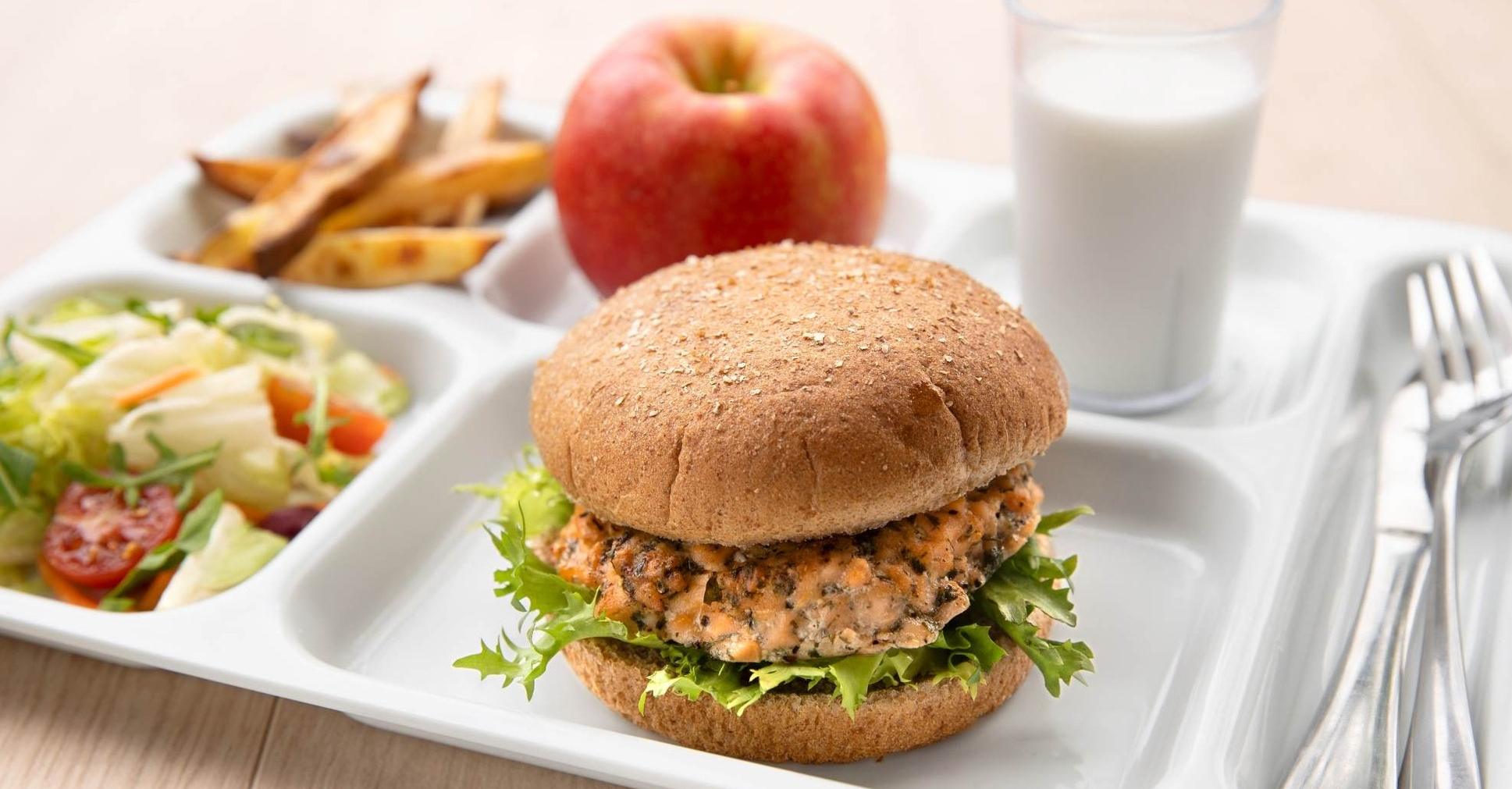
If you’re wondering where Monterey Peninsula Unified School District (MPUSD) gets the delicious, fresh fish and their mouthwatering, made-from-scratch rockfish burgers, just look out the cafeteria window.
Since 2014, Real Good Fish’s Bay2Tray program has provided the district with healthy, fresh-from-the-sea fish caught by local fisheries right in Monterey Bay. The program was developed and piloted by former School Food Professional Jenn Lovewell when she served as MPUSD’s nutrition services director. Her innovative idea was a hit with students and the community. Jenn serves as the chief nutrition officer of Real Food Fish, and the Bay2Tray provides fresh, locally sourced fish to districts across California.
We spoke to MPUSD’s current nutrition services director, Micha James, about why fresh fish leads to healthier school meals, why introducing students to locally sourced food benefits everyone, and how food education changes students’ lives.
Our students deserve the best we can offer, and serving fresh fish is a part of that commitment.
The nutritional benefits of eating fish are so well documented. From being an excellent source of omega-3 fatty acids and vitamin D to supporting heart and brain health, the list just keeps going. And when the fish is fresh and cooked from scratch, it’s even better for you. My background is in nutrition sciences, so it’s honestly hard not to geek out when I talk about this stuff.
None of that matters, of course, if the students don’t want to eat it. But our team whipped up a homemade jalapeño tartar sauce to accompany Real Good Fish’s rockfish burger that went over very well. And our fish tacos with homemade creamy coleslaw, using Real Good Fish, were a big hit, too.
All this has made Bay2Tray a winner, not just for our students, but for our school district, local fisheries, and our community. Local fisheries provide the district with what’s called “bycatch fish,” species like rockfish or Pacific grenadier that get caught in the net when they’re trying to catch something else. Students get fresh, healthy meals, schools get a good deal on the freshest possible fish, and local fisheries get a long-term customer they can depend on for income.
When you work in school food, you have a responsibility to make sure every student has access to fresh, nourishing food. That’s why we’re always working on new ideas to make healthy, delicious meals from scratch, using whole ingredients. Do we still serve chicken nuggets and chicken tenders? Sure. But rather than using pressed or processed meat, we cut ours from whole-muscle chicken.
Whole foods hold onto more nutritional value than processed foods. It’s like eating a whole fruit vs. drinking fruit juice. Apple juice has some nutritional value, but it’s mainly just giving you the sweetness from the fructose. If you eat an actual apple, on the other hand, you get the fiber that comes from the skin and all sorts of other vitamins and minerals as well. It’s the same thing with chicken, fish, and other whole foods.
Serving scratch-cooked meals with locally caught ingredients leads to healthier students, and the benefits don’t stop there. Buying local also allows schools to keep dollars right here in our community, improving the relationships between the school district and local businesses and families. It’s also better for the planet. We know the species we serve aren’t overfished, so we’re not harming the environment by having them on the menu.
Local fisheries can also give students a better sense of what they are eating and from where it comes. We’ve had fishermen come out and talk with the students about Monterey Bay and the different types of fish they catch. And by encouraging positive food choices at an early age, we’re helping instill good food habits that can last a lifetime.
When you teach children about food and nutrition, it really can change their lives. That certainly happened to me. I had a great health teacher in junior high school, and she was one of the big reasons why I went on to study nutrition in college. I never got the chance to go back and tell her about the impact her class had, but it really shaped the trajectory of my life.
If School Food Professionals can offer that kind of education to the students we serve, if we can inspire them to learn about the foods they eat, make good choices, and instill healthy habits, then we’re doing our jobs.