Blueberry Breakfast Bars

For National School Breakfast Week, we’re celebrating the incredible School Food Professionals who are using their leadership and culinary talents to reimagine what school breakfast can be!

There’s nothing like starting the day with a scratch-cooked breakfast. Kids who eat a fresh, healthy breakfast have better attendance, perform better academically, have fewer behavioral issues and show improved mental health, compared to those who don’t.

Berkeley Unified School District Nutrition Service Director Rich Hannan believes that every child should have access to healthy morning meals. As part of his Healthy School Food Pathway Fellowship, he’s helping his district introduce a host of tasty, nutritious, made-from-scratch options for their students. 

“In the past, Berkeley High School had a lot of ready-serve or heat-and-serve items,” Richard said. “I brought in new recipes and bought new equipment so we could offer a scratch-made breakfast for our kids.”

As part of his Fellowship, Rich developed and refined scalable breakfast recipes and service models for Berkeley High School that can be replicated by other sites throughout the district, from wild blueberry breakfast bars, to oat parfait with berry compote, to cheesy egg and veggie bites with whole wheat biscuits. And they’ve been a resounding hit!

After the debut of the scratch-made breakfast items, breakfast participation at Berkeley High School increased, confirming that food quality and relevance directly improve student participation. Especially on waffle day.

“We make them from scratch, using a Belgian-style batter,” Richard said. “When they’re cooking, you can smell them all the way at the front door of the cafeteria. That really brings the kids running.”

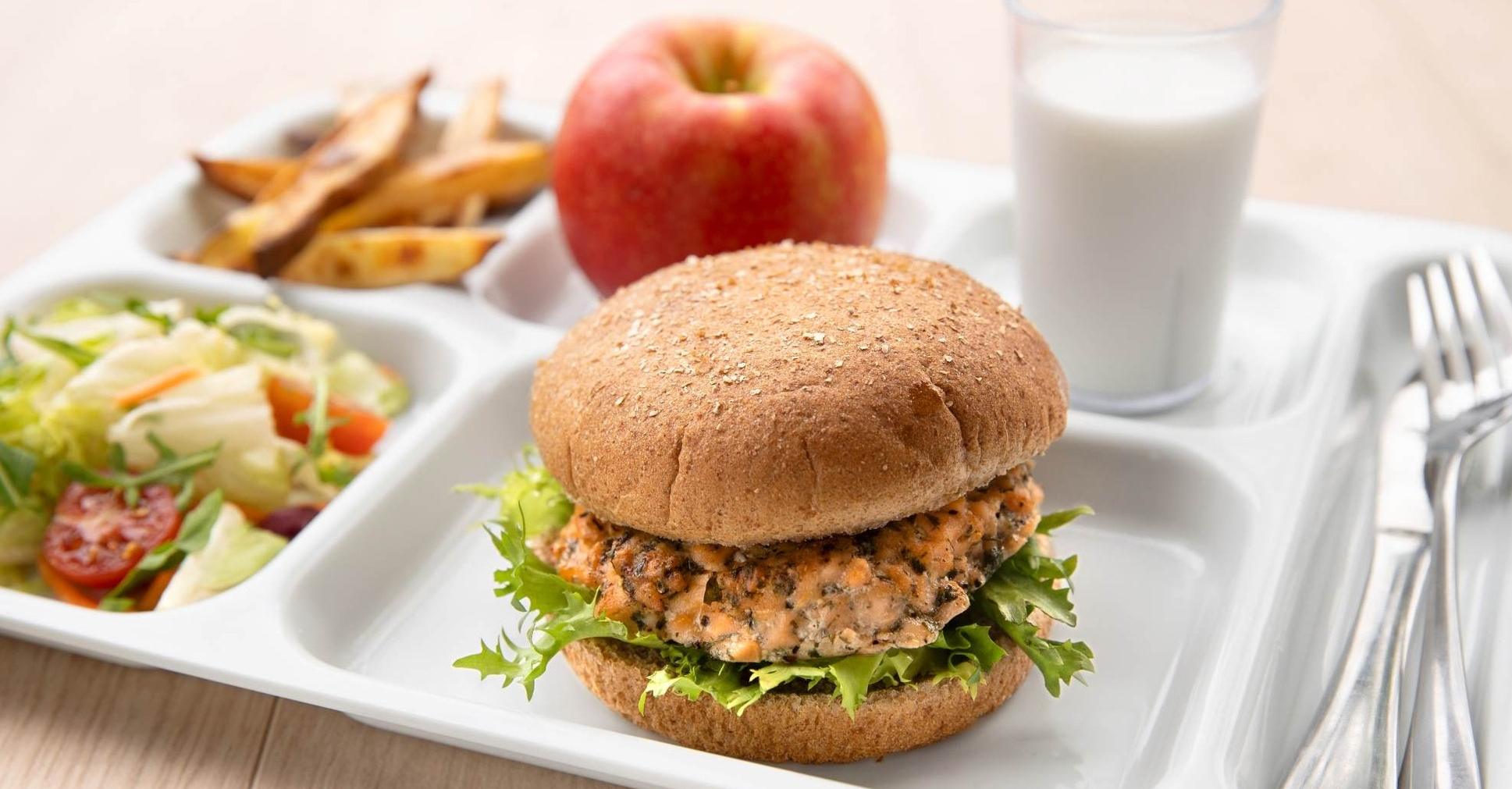
Want to cook a tasty breakfast dish that gives kids what they need to succeed in and beyond the classroom? Try this award-winning Baked Blueberry Oatmeal Bar recipe from The Lunch Box.

Skill in Every Dish: Three Questions with Ocean View School District’s Patience Boulais

Patience Boulais is the Supervisor of Nutrition Operations & Special Programs at Ocean View School District in Oxnard, CA.

What’s a healthy recipe your students love to eat?

Ocean View School District has been in the scratch cooking world for about 10 years now. We were one of the early districts to get involved with the Chef Ann Foundation, and we’ve continued to train, develop and improve over the years. Today, our team makes about 90% of our meals from scratch, which gives us the ability to get creative. We make chili dogs on a pretzel bun with our special lentil chili. Our cheese sauces have a base of five different vegetables. We even serve a cauliflower alfredo that’s really popular. 

One big hit is a butternut squash mac and cheese that I developed. We wanted to teach our students about the difference between powdered mac and cheese and the real deal. Real cheese isn’t neon orange! So, we did a survey with students and asked if they’d be willing to try a new mac and cheese recipe with a secret ingredient. After they tried it — and loved it — we told them it had butternut squash in it! On Halloween, we did a spin on it by replacing the squash with pumpkin, and they went crazy for that, too. Even the preschoolers gobbled it up. 

What do you wish people knew about school meals? 

I wish people understood how much dedication and work goes on behind the scenes to provide  meals that offer the best to students, from taste to the ingredient quality and nutritional standards. There’s a lot of love and skill that goes into every dish, and our kids eat really well.

We feed kids, and that matters. But that’s not all we do. We also help them learn about food, where it comes from and how it’s made. We’ve got a school garden, and we taught the preschoolers here how to grow a pumpkin. We took them out and had them dig the hole and plant the seeds, so they could really learn about it hands-on. There’s something so rewarding about teaching kids to understand food, cook for themselves and be self-sufficient.

School Food Professionals see students every single day of their educational career, from pre-K to graduation. We build trust and a bond and we’re there as they grow. We create a safe space. I’ve had a lot of kids who have wanted to just sit with me. Once, I was out at a restaurant, and a girl came up to me… I’d known her in second grade, and here it was, 15 years later, and she was telling everyone there that I was her favorite. 

What advice would you give to someone just starting out in school food?

Communication is huge. The more you communicate — with teachers, administration and families — the more they’ll see the value of what you’re doing. Then they’ll encourage the kids to participate. I often talk to teachers to see if we can sync up what we’re cooking with the curriculum, so it’s win-win. Along with that, you have to be willing to grow. Keep building your skills, trying new things, researching and learning. Keep an open mind. Always strive to improve and evolve.

I love this job. It’s the best food service career you can have — no contest. You get to make a big difference for kids and families, all while cooking delicious meals that make kids healthy and happy.  

 Chicken Street Tacos

When students in Southern California’s San Ysidro Unified School District (SYUSD) sit down to eat in the school cafeteria, they get more than just nutritious meals made from quality ingredients. They also get the taste of home. 

“A high percentage of our students are Hispanic, so we make meals that represent what they see in their communities,” said Ana Bush, production coordinator with SYUSD. “Every week, we serve different kinds of made-from-scratch tacos. We’ve done chicken, carnitas, carne asada, and a birria taco with a fresh-made sauce. It’s really exciting.“

When schools serve foods that reflect the cultures and backgrounds of the communities they serve, it creates a more inclusive environment while making students more likely to eat and enjoy their meals. At SYUSD, the result has been a healthier, happier, and more welcoming school community.  

“Our students really appreciate the effort we’re making,” Ana says. “It makes me so happy to see how joyfully they take the plates and eat the meals we serve.”

Ready to cook a healthy lunch that kids can’t get enough of? Try this delicious recipe for Chicken Street Tacos from The Lunch Box.

From Bay to Tray: Partnering With Local Fisheries for Fresh, Healthy & Local School Meals

If you’re wondering where Monterey Peninsula Unified School District (MPUSD) gets the delicious, fresh fish and their mouthwatering, made-from-scratch rockfish burgers, just look out the cafeteria window. 

Since 2014, Real Good Fish’s Bay2Tray program has provided the district with healthy, fresh-from-the-sea fish caught by local fisheries right in Monterey Bay. The program was developed and piloted by former School Food Professional Jenn Lovewell when she served as MPUSD’s nutrition services director. Her innovative idea was a hit with students and the community. Jenn serves as the chief nutrition officer of Real Food Fish, and the Bay2Tray provides fresh, locally sourced fish to districts across California. 

We spoke to MPUSD’s current nutrition services director, Micha James, about why fresh fish leads to healthier school meals, why introducing students to locally sourced food benefits everyone, and how food education changes students’ lives.

Our students deserve the best we can offer, and serving fresh fish is a part of that commitment. 

The nutritional benefits of eating fish are so well documented. From being an excellent source of omega-3 fatty acids and vitamin D to supporting heart and brain health, the list just keeps going. And when the fish is fresh and cooked from scratch, it’s even better for you. My background is in nutrition sciences, so it’s honestly hard not to geek out when I talk about this stuff. 

None of that matters, of course, if the students don’t want to eat it. But our team whipped up a homemade jalapeño tartar sauce to accompany Real Good Fish’s rockfish burger that went over very well. And our fish tacos with homemade creamy coleslaw, using Real Good Fish, were a big hit, too.

All this has made Bay2Tray a winner, not just for our students, but for our school district, local fisheries, and our community. Local fisheries provide the district with what’s called “bycatch fish,” species like rockfish or Pacific grenadier that get caught in the net when they’re trying to catch something else. Students get fresh, healthy meals, schools get a good deal on the freshest possible fish, and local fisheries get a long-term customer they can depend on for income. 

When you work in school food, you have a responsibility to make sure every student has access to fresh, nourishing food. That’s why we’re always working on new ideas to make healthy, delicious meals from scratch, using whole ingredients. Do we still serve chicken nuggets and chicken tenders? Sure. But rather than using pressed or processed meat, we cut ours from whole-muscle chicken. 

Whole foods hold onto more nutritional value than processed foods. It’s like eating a whole fruit vs. drinking fruit juice. Apple juice has some nutritional value, but it’s mainly just giving you the sweetness from the fructose. If you eat an actual apple, on the other hand, you get the fiber that comes from the skin and all sorts of other vitamins and minerals as well. It’s the same thing with chicken, fish, and other whole foods. 

Serving scratch-cooked meals with locally caught ingredients leads to healthier students, and the benefits don’t stop there. Buying local also allows schools to keep dollars right here in our community, improving the relationships between the school district and local businesses and families. It’s also better for the planet. We know the species we serve aren’t overfished, so we’re not harming the environment by having them on the menu. 

Local fisheries can also give students a better sense of what they are eating and from where it comes. We’ve had fishermen come out and talk with the students about Monterey Bay and the different types of fish they catch. And by encouraging positive food choices at an early age, we’re helping instill good food habits that can last a lifetime.

When you teach children about food and nutrition, it really can change their lives. That certainly happened to me. I had a great health teacher in junior high school, and she was one of the big reasons why I went on to study nutrition in college. I never got the chance to go back and tell her about the impact her class had, but it really shaped the trajectory of my life. 

If School Food Professionals can offer that kind of education to the students we serve, if we can inspire them to learn about the foods they eat, make good choices, and instill healthy habits, then we’re doing our jobs.

Butter Chicken

Students in Oroville, a small city in rural Butte County, California, are getting a taste of cultures from across the globe, right in their own cafeteria. A glance at the Oroville Union High School District lunch menu will take you from the U.S. to Mexico, India, Korea and Italy, all in a single week!

“We’re a small community, and many of our students haven’t gotten to experience food from other countries,” said Nanci Miramontes, food service director at Oroville Union High School District. But the district’s international fare has helped students develop an adventurous culinary spirit and an openness to try new foods. 

The district recently added scratch-cooked Butter Chicken to their menu, a classic Indian dish that combines marinated, grilled chicken with a creamy tomato curry sauce. Originally developed in Delhi, India, in the 1950s as a way to use leftover tandoori chicken, this smoky, mildly-spiced, belly-warming dish is now enjoyed in every part of the planet. While Butter Chicken may be new to many Oroville students, that didn’t stop them from coming back for seconds.

“It’s so fun to watch students fall in love with something new, especially something that our team makes in-house,” Nanci said.  

Want to take your family on a globetrotting trip without leaving the kitchen? Try this delicious Butter Chicken recipe from The Lunch Box.

Changing The Narrative: The Powered By School Food Professionals Campaign

School Food Professionals are transforming school meal programs across the country, resulting in better meals for students. Yet despite their many valuable contributions, School Food Professionals don’t get the recognition they deserve. 

School food teams are moving away from serving prepackaged, ultra-processed foods to cooked-from-scratch meals that incorporate fresher ingredients and new techniques. But that’s just the beginning. School Food Professionals improve the lives of our children in so many ways, from cooking delicious and nutritious meals that help students succeed, to educating kids about healthy eating habits, introducing them to new ingredients and dishes, celebrating their backgrounds and cultures, and serving as a welcoming, friendly voice during mealtimes. 

The general public often sees school food jobs as requiring low levels of skill and expertise. On the contrary, the opposite is true, but the public’s perception makes it harder for School Food Professionals to recruit advocates and allies who can support them in improving our kids’ school meals, pushing for fresher and more local ingredients, and building support for better training and wages. Through a grant provided by the California Community Colleges Chancellor’s Office and in partnership with the State of California, the Chef Ann Foundation decided to take action, launching Powered by School Food Professionals — a California-based campaign designed to change how people across the state think and feel about School Food Professionals.

The Problems: Perception and Understanding

In order to correct these misperceptions, the first step was to get a better sense of what they were and what causes them. To achieve that, we talked to California parents across the state. Using surveys and focus groups, we found that they generally saw School Food Professionals as hardworking people who make a positive difference, but they also related school food work to low skill, social status, and value.

When examining where these views come from, we found that many people are simply unaware of what School Food Professionals do. That lack of knowledge goes on to reinforce stereotypes and inaccurate perceptions of the role, and it leaves School Food Professionals feeling underappreciated in their work. 

Changing the Narratives

To change these narratives and help Californians understand the amazing contributions of School Food Professionals, we used a full-court-press approach – educating people about who they are and what they do, uplifting the stories of real School Food Professionals working in the field, and drawing attention to their impact and efforts to transform school food. This included a wide spectrum of approaches, such as using first-person storytelling to introduce audiences to School Food Professionals and showcase their many skills, educating audiences on how they support students’ health, wellbeing, and academic performance, and celebrating their contributions through a statewide awards ceremony.

Getting Results

The “Powered By School Food Professionals” campaign was  successful in reaching California K-12 parents, School Food Professionals, and the general public. Using surveys and 1-on-1 and group conversations, we measured the campaign’s success at reaching, resonating, and changing the perceptions of these audiences.  

Between April 2023-April 2024, the campaign reached more than 24 million Californians. The advertisements, translated into seven languages, had 200 million total impressions, surpassing the goal for the entire campaign in less than two months.

In talking to K-12 parents, we found that more now see the skills School Food Professionals bring to their work. After the campaign launched, the percentage of parents who said they believed that School Food Professionals are professional and skilled, influence menus, and have culinary training and nutritional expertise, increased by 10 percentage points to 59%. Statewide, this represents a positive change in perceptions for up to 1.1 million people. Parents also strongly recognized the positive impact that School Food Professionals have on students’ moods, health, and academic performance. 

Changing the Narrative in Your Community

The important contributions of School Food Professionals aren’t limited to California. In all 50 states, skilled, committed, and innovative professionals are working to reimagine what school meals can be. 

Our hope is that the “Powered By School Food Professionals” campaign inspires others to improve the way that people in their communities think and talk about the school food profession. Improving the awareness and appreciation of School Food Professionals opens the door to higher wages, more training, and increased prominence within their districts and communities, which all lead to better meals and outcomes for students

But you don’t need to wait for a campaign. Changing perceptions begins with conversations between neighbors, at PTA meetings, with your school district administration and your elected representatives.

This momentum builds over time. With every conversation you have, you help more people understand the value and commitment to advocating for School Food Professionals. Everyone has a stake in school food, and everyone has a reason to take action. When kids are healthy and succeed in school, we all benefit. Students feel better and perform better academically, the local economy prospers, communities grow stronger, and members of the school food profession are more fulfilled in their jobs.  

Together, we can all achieve a better state for school food — starting with valued School Food Professionals.

To learn more, read our white paper, entitled “Elevating the Perceptions of School Food Professionals in California: A Case Study.

Pesto Pizza

If there’s one thing students can agree on, it’s pizza day. When there’s a flavorful blend of cheesy goodness, chewy crust, and fresh, vibrant toppings on the menu, the lines stretch out the door. 

And though pizza may have been born in Italy, it’s a worldwide treat. San Luis Coastal Unified School District’s School Food Professionals give their vegetable pizza an intercontinental touch by replacing the crust with naan, an oven-baked flatbread popular in India, Southeast Asia, and many other parts of the world. They top it with pesto sauce, mozzarella, and a mixture of fresh-from-the-Earth local vegetables. Next, they add some of Chef Cory Bidwell’s oven-dehydrated diced tomatoes – coated with Italian spices to give them a flavorful kick – and put the pizza into the oven. Once it’s done cooking, they top it with arugula and Italian dressing. The result is delicious and packed with healthy veggies. As Food and Nutrition Services team member Teresa Vigil said, “It’s so good that I make the recipe for myself at home.” 

Ready to cook a healthy lunch that kids can’t get enough of? Try this mouthwatering pesto pizza recipe from The Lunch Box.

What Skills Does it Take to Shine in School Food?

Across California, kids are headed back to school. From San Diego to Mount Shasta and everywhere in between, School Food Professionals are there to meet the demand, providing tasty meals that give children the nutrition they need to succeed. Every parent knows how challenging it is to come up with varied recipes, ensure they’re healthy and match them to their child’s taste. School Food Professionals do that for hundreds of kids or more, two to three times a day. 

It takes a lot of skills to work in school food. The job is equal parts art and science. It requires the imagination to explore new recipes. It takes planning and organizational skills to standardize and replicate them across multiple school sites. And, of course, it calls for culinary expertise to perfectly cook those fresh and healthy dishes, all while adhering to department budgets. We asked School Food Professionals from across California about what they think are some of the most important skills needed to plan, cook and serve school meals:

Staying Organized

Cooking for thousands of students isn’t something a person can do on the fly. At each step in the process, there are many details, and members of the school food team have to keep track of them all. “To serve about 1,500 breakfasts, 2,700 lunches, more than 1,000 suppers on a daily basis, it takes a lot of organizational skills,” said Michelle Pruitt Roybal, Nutrition Services Supervisor at Azusa Unified School District. “I have to keep track of the different dishes we’re making and how many pans we need to produce, as well as make sure we’ve got all the spices, ingredients and everything that’s needed for nine schools. Then the next day, I get up and do it again. I love it!” 

Understanding What Students Want on Their Trays

To make the meals that students love, School Food Professionals need to start with the flavors and foods they like. To do that, School Food Professionals need to know who students are and what foods they enjoy. That could mean creating dishes that connect with students’ cultural backgrounds, like pozole or chana masala, or whipping up healthier versions of classic cafeteria foods like spicy chicken wings. But the best way to find out what flavors hit the spot is to ask students directly. At Oxnard Union High School District, that can even include digital surveys about new recipes. “We love getting student feedback that way,” says Assistant Director of Nutrition Services Sarah Phillips. “We want our menu to be tailored to them, so they enjoy the foods they’re being offered.”

Flexing Creativity

In the school kitchen, creativity reigns supreme. Whether developing fresh, healthy and tasty recipes, creating exciting menus that keep kids coming back for more, or coming up with approaches that reduce waste and make their programs more sustainable, School Food Professionals have endless opportunities to share their innovative ideas. Just ask Live Oak School District Director of Child Nutrition Kelsey Perusse. She turned a seasonal surplus of kale into a brand new recipe that’s a hit with students. “It’s fun to see them get so excited,” Kelsey said. “You don’t usually expect to hear a third grader shouting ‘It’s kale pesto day!’” 

Continuous Improvement

To keep up with changing trends, tastes, and approaches, School Food Professionals have to be students themselves. That’s why they are always learning new skills and scratch cooking techniques and deepening their knowledge about nutrition, food safety and more. By doing so, they continue to raise the bar for themselves and their colleagues while creating tastier and more nutritious meals for the students they serve. “Our team really embraces the trainings we provide, even the optional ones,” said Christina Lawson, Director of Food Services at Western Placer Unified School District. “They do it because they’re excited to expand their skill sets and cook better food for our kids.”

From planning to plating and everything in between, School Food Professionals bring an incredible amount of skill and commitment to their work. And to Azusa Unified School District Chef Carol Ramos, the payoff is more than worth it. “When I see the kids enjoying my food, it brings me so much happiness,” she said. “That’s what keeps me going.”

Tips From the Experts: Cooking Healthy Versions of Kid Food Favorites

“Nutrition or nuggets?” It’s a choice every parent has faced. You know your child needs to eat healthy meals; they only want the same old ultra-processed, unhealthy foods. But the healthiest meal in the world doesn’t do any good if it stays on the plate. So what’s a parent to do? 

Fortunately, children all over California are learning that healthy, fresh, and tasty can all exist on the same plate — thanks to the creativity and skill of our state’s School Food Professionals. More schools and districts are embracing scratch-cooked meals and fresh, seasonal ingredients, and students are asking for seconds. And when they get the same types of fresh and healthy meals at home, the result is healthier, happier, and more successful kids. 

School Food Professionals cook for hundreds and thousands of the toughest food critics in existence — students — on a daily basis. They shared with us some of their best tips on how to make kid-approved favorites that are as good for your child as they are for the taste buds. 

Start From Scratch

Creating a healthy diet means thinking outside the box (or bag, or wrapper). Ultra-processed foods — industrially prepared foods loaded with added ingredients, including salt, sugar, artificial colors, and others — are linked to dozens of health conditions, such as cardiovascular disease and type-2 diabetes. Cooking from scratch using fresh, minimally-processed proteins and produce, on the other hand, is connected with better physical and mental health, more energy and greater success in the classroom. “Nobody should be eating processed foods 100% of the time. That’s why it’s so important that we’re introducing fresh ingredients and real cooked food across the board in schools,” said RJ Lane, chef at West Contra Costa Unified School District.

The Old Switcheroo

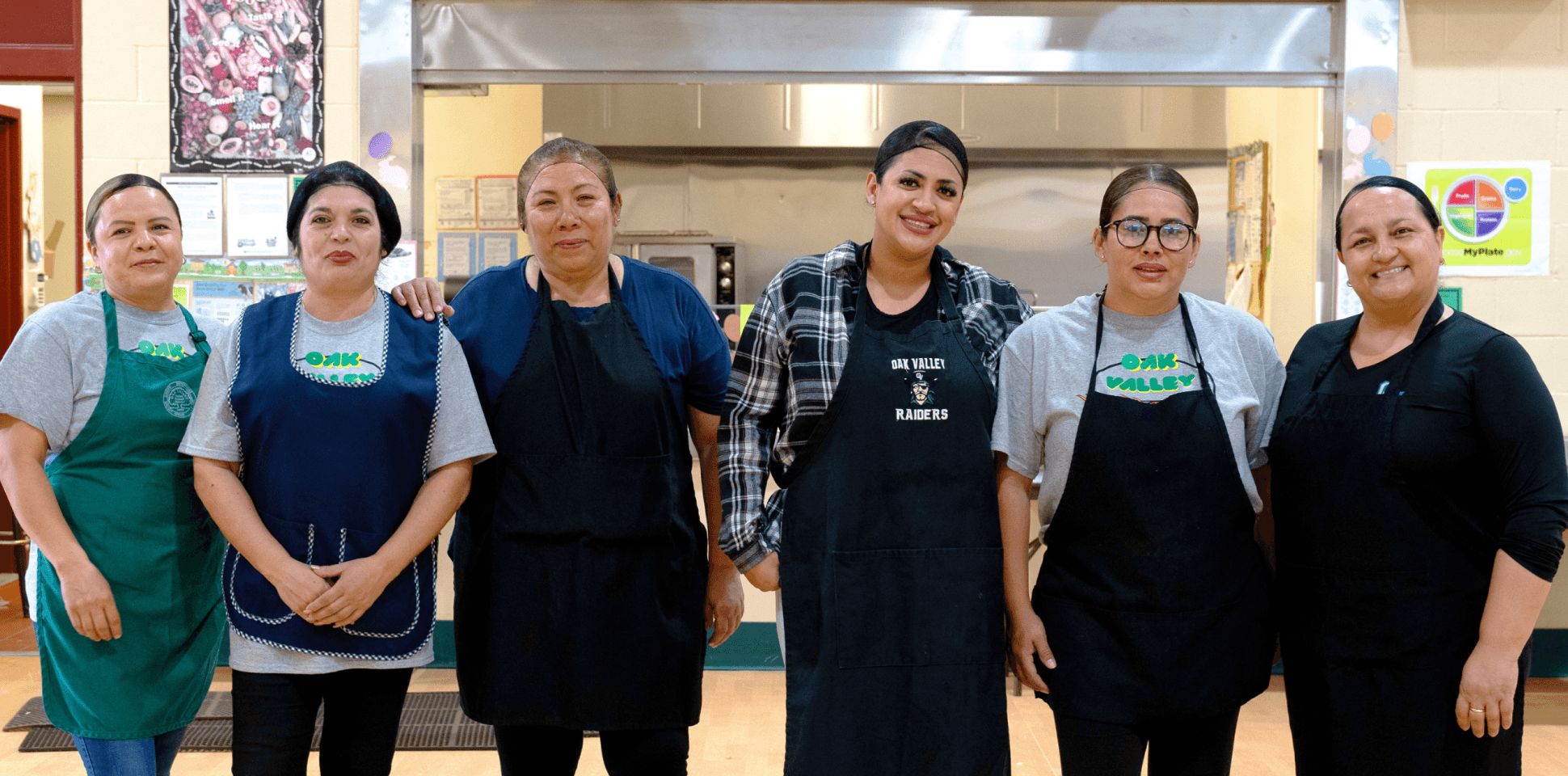
Healthy dishes start with healthy ingredients. So if your little one just has to have pizza, don’t despair!  Switch out the white flour with whole wheat flour for a crust that’s higher in nutrients like protein, iron and fiber. By swapping in low-fat cheese, you can reduce the level of saturated fat while still getting all the calcium kids need. The result? A better-for-you pizza that your child will love. It’s a tactic that Esther Huizar, cafeteria manager at Oak Valley Union Elementary, uses often. “For our chicken quesadillas, we use whole-wheat tortillas, low-fat cheese and lean chicken that we cook with fresh tomato, onions and garlic,” Huizar said.

Bring on the Spice

Supercharge the flavor of your dishes, and the kids will come running. But that doesn’t mean you need to pour on the fat, salt and sugar. Upping your seasoning game is one of the easiest ways to pack in the taste without compromising on nutrition. Herbs and spices like ginger, cardamom, rosemary, basil and many others can be used in place of less-healthy ingredients like sugar and salt, making meals better for you AND better tasting. In fact, a recent study in the Journal of the Academy of Nutrition and Dietetics used a blind taste test to see how people liked foods — such as meatloaf, chili, apple pie, pasta with meat sauce, and taco meat — that used herbs and spices to replace a significant amount of salt, sugar and saturated fat. The study found participants enjoyed a majority of the healthier versions just as much as the original recipes. “To make sure marinara tastes good while being mindful about sodium content, just add fresh herbs and spices,” said Stella Ndahura, director of nutrition services at Azusa Unified School District. “That way it still has lots of flavor, and you’re promoting health and well-being.”

Healthy meals don’t have to be a chore. With a little creativity and the right ingredients, any parent can create their own healthy spin on their children’s favorite dishes. By doing so, you’re not just giving them a nutritious meal for the day. You’re also building healthy eating habits that can last a lifetime.

“Start by giving them what they know, then try to put some veggies in it and do a little twist here and there,” said Azusa Unified School District Chef Carol Ramos. “If they’re on board, take it a little further —  something like a little quinoa on a salad. Maybe they’ll try it and say, ‘This is really good!’” 

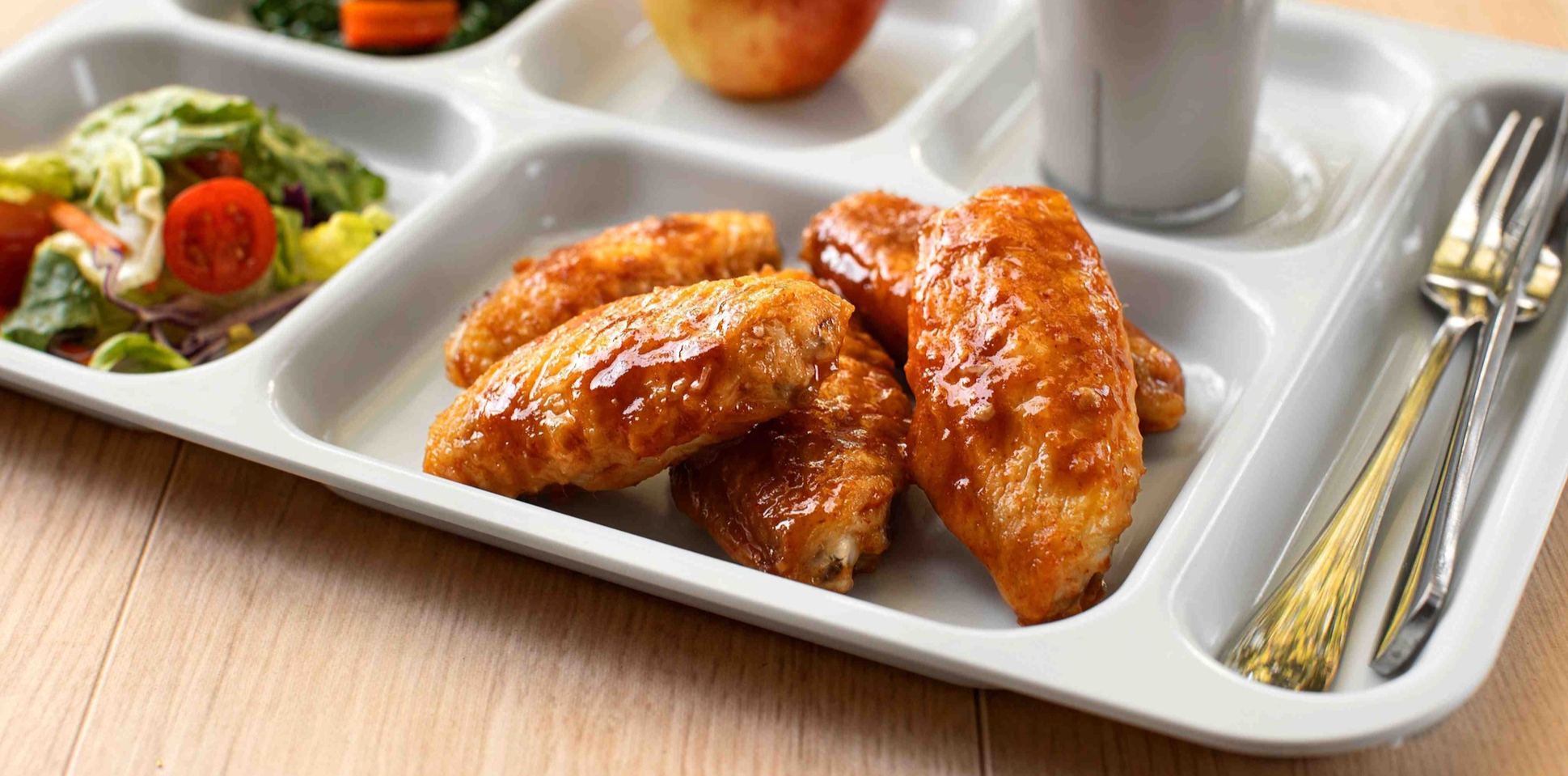
Hot Wings

When wings are on the menu, students come flying. They’re bite-sized, packed with flavor and perfect for any number of tasty sauces. From Buffalo sauce to barbeque, ranch and more, you can tailor wings to include the tastes your kids love.

To find a school district that’s cracked the wing code, look no further than Azusa Unified School District, the winner of the Best Scratch-Cooked Adaptation in the Powered By School Food Professionals Awards. Azusa’s team starts with organic wings sourced from a local producer and oven-bakes them to keep them healthy without sacrificing that delicious crunch. Finally, they coat the wings with a wide range of sauces, so that there’s something to match just about every student’s tastes. 

Ready to up your lunch game with a spicy, out-of-this-world dish? Try this mouth-watering hot wings recipe from The Lunch Box.  

Get the Scoop

Sign up for the latest on school food in California.